The BRICS grouping has stepped up its criticism of unilateral trade restrictions at its latest summit in New Delhi, sending a clear signal against policies that members believe are creating greater uncertainty in the global economy. The issue featured prominently in the New Delhi Declaration adopted at the 18th BRICS Summit, held on September 12 and 13, as member states called for a more predictable and inclusive international trading system.
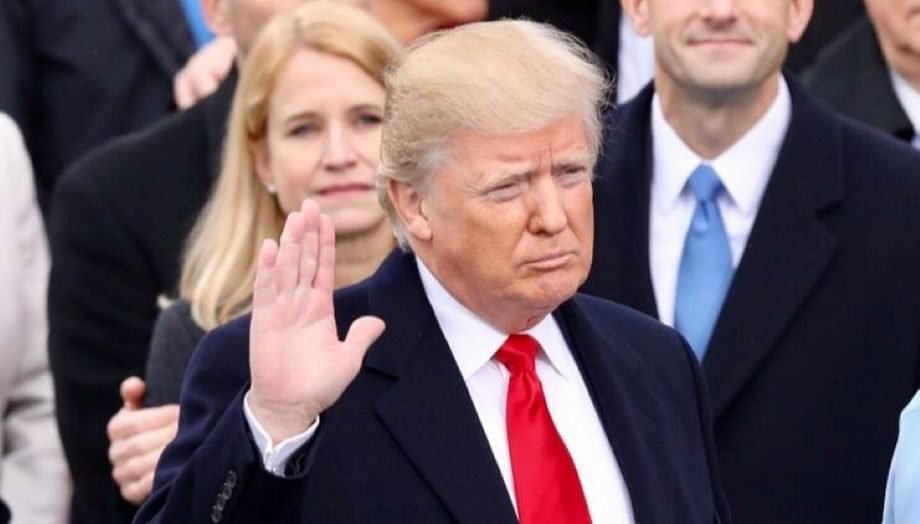
Although the declaration did not specifically name US President Donald Trump, its language on rising tariffs and other trade barriers comes against the backdrop of Washington’s aggressive tariff policies. BRICS members expressed concern that unilateral tariff and non-tariff measures could interfere with international commerce, weaken supply chains and make economic conditions more difficult for emerging and developing economies.
The trade dispute has added another layer to the wider competition over the future of the global economic system. BRICS countries have increasingly argued that developing economies should have a greater role in institutions that shape international trade and finance. At the New Delhi meeting, the members again backed reforms to the World Trade Organization and reaffirmed support for a rules-based trading framework.
India’s role in the discussions was particularly important. As the host and 2026 BRICS chair, New Delhi sought to keep the group focused on practical economic cooperation rather than allowing differences between its members to dominate the summit. India has also continued to maintain strategic engagement with the United States while deepening economic and diplomatic ties with other BRICS members, making a balanced position essential.
The declaration’s emphasis on supply-chain resilience reflects another major concern for India and other developing economies. Disruptions caused by geopolitical tensions, tariffs and changing trade policies have made diversification of manufacturing and sourcing increasingly important. BRICS members have therefore backed greater cooperation in manufacturing, technology transfer, investment and productive capacity to help emerging economies move into higher-value sectors.
The summit also demonstrated that BRICS is evolving beyond its original economic identity. The expanded grouping now brings together countries with different foreign-policy priorities and relationships with major global powers. Despite those differences, members were able to reach agreement on a range of issues, including trade, development, global governance and international economic cooperation.
For India, the outcome fits into its broader policy of strategic autonomy. New Delhi has avoided aligning itself completely with either side of the growing geopolitical divide and has instead sought to work with multiple power centres. The BRICS platform provides India with an opportunity to engage with China, Russia and other emerging economies while continuing its partnerships with Western countries.
Prime Minister Narendra Modi has repeatedly stressed the importance of giving developing countries a stronger voice in global decision-making. The New Delhi Declaration similarly called for greater representation of emerging markets and developing countries in international institutions. This gives the tariff debate a wider significance, linking trade policy with India’s broader push for reform of global governance.
The economic message from New Delhi was therefore broader than opposition to any single country’s tariff policy. BRICS members are seeking greater stability in international trade and stronger safeguards against measures that can disrupt cross-border commerce. Their position also reflects concerns that smaller and developing economies may bear a disproportionate share of the economic impact from escalating trade disputes.
At the same time, the summit showed the limits of BRICS unity. The grouping includes countries with substantially different economic models, strategic interests and relationships with Washington. Reaching common positions often requires carefully negotiated language, particularly on contentious geopolitical and economic issues. The cautious wording on tariffs illustrates how BRICS is attempting to preserve cooperation despite these differences.
The New Delhi summit nevertheless gives India an important diplomatic opportunity. By steering discussions towards trade reform, supply-chain resilience, development and stronger representation for the Global South, New Delhi has positioned itself as a bridge between competing economic and geopolitical interests.
The latest BRICS position on tariffs is therefore part of a larger effort to reshape the rules governing international trade. As protectionism and geopolitical competition continue to influence global markets, India is using its BRICS leadership to promote a more diversified and multilateral economic order while retaining the strategic flexibility that remains central to its foreign policy.
-

-

-

-