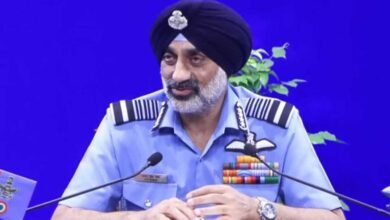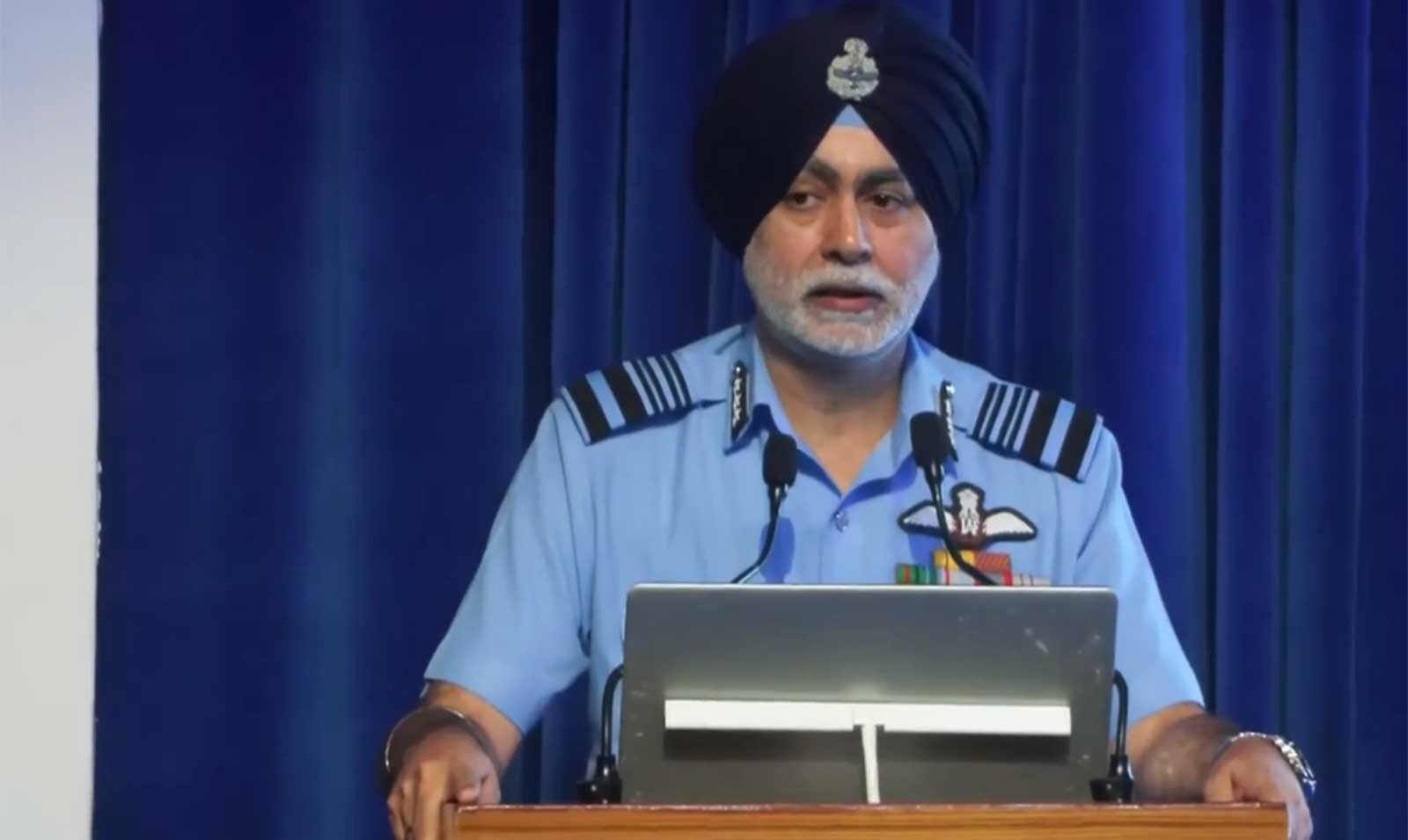
The changing character of warfare is placing greater emphasis on information, connectivity and the speed of decision-making. Air Marshal Tejpal Singh, Deputy Chief of the Air Staff, has highlighted the growing importance of information superiority in enabling armed forces to respond rapidly and maintain an operational advantage during conflict.
Addressing a defence seminar at Subroto Park, Air Marshal Singh underlined the need to reduce the time taken to move through the OODA cycle – Observe, Orient, Decide and Act. In modern combat, the ability to gather accurate information, understand developments and act faster can significantly influence battlefield outcomes.
He stressed that advanced aircraft, weapons and other military platforms cannot operate at their full potential without reliable networks connecting sensors, command centres and combat assets. India’s Integrated Air Command and Control System (IACCS) is an important component of this network-centric approach, helping integrate information from multiple sources to build a broader operational picture.
The Air Marshal also pointed to the importance of surveillance systems, electro-optical technologies and C4I2 capabilities covering Command, Control, Communications, Computers, Intelligence and Information. Their integration can improve situational awareness while allowing commanders to coordinate responses across different operational domains.
As military operations become increasingly dependent on digital networks, cybersecurity and network resilience are also gaining importance. Communication systems may face cyberattacks, electronic warfare and spoofing during hostilities. Defence networks therefore need to remain secure, dependable and operational even in heavily contested environments.
Air Marshal Singh further emphasised that interoperability should be incorporated into defence systems from the design stage. Common communication standards and compatible architectures can enable different sensors, platforms and intelligence systems to exchange information more effectively.
He also called for closer collaboration between the armed forces, defence industry, research institutions, start-ups and MSMEs. Such cooperation can help transform emerging technologies into reliable capabilities that meet operational requirements.
The emphasis on information dominance reflects the wider transition towards network-centric and multi-domain warfare. As future conflicts become faster and more complex, the ability to collect, process, share and act on information could become a decisive military advantage alongside conventional combat power.
-

-
-

-