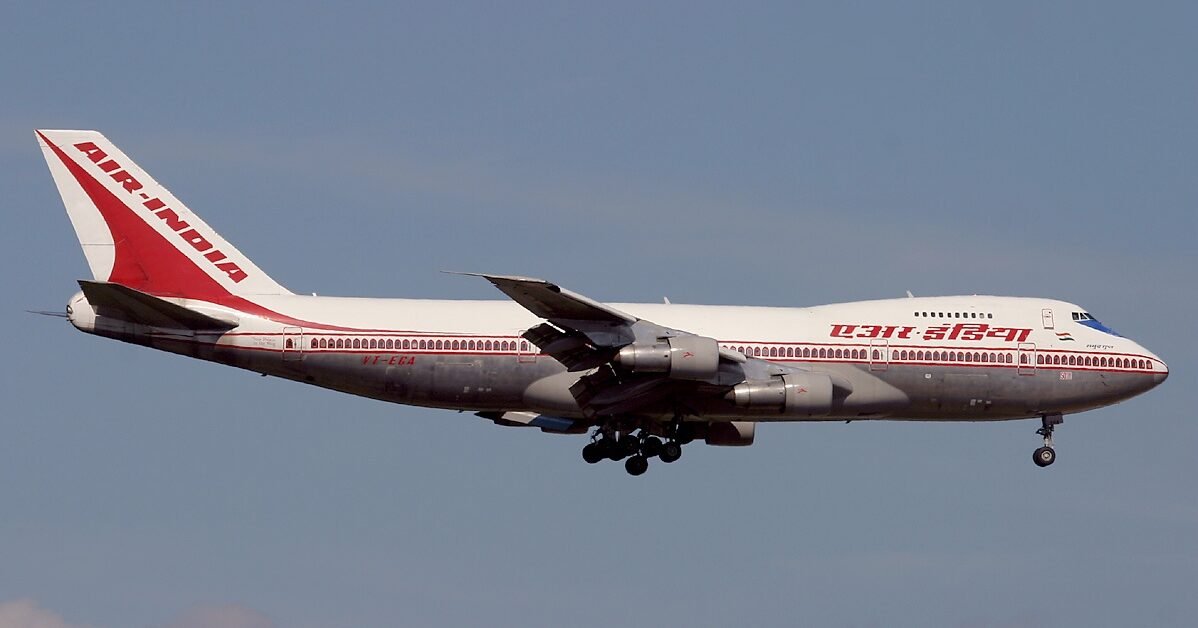
Air India will induct 60 aircraft over the next 18 months as part of a comprehensive transformation programme, marking one of the largest fleet expansion initiatives by an Indian carrier in recent years.
The induction timeline reflects Air India’s aggressive modernisation strategy. The airline has been systematically retiring ageing aircraft while simultaneously ordering new-generation narrowbody and widebody jets to replace its legacy fleet.
Air India’s current order book includes Boeing 737 MAX variants and Airbus A350 widebody aircraft, alongside ATR regional turboprops for domestic and regional routes. The 60-aircraft target represents a mix of these platforms, which will be phased into service across domestic Indian routes and international networks.
The expansion programme addresses a critical gap in India’s domestic aviation capacity. Air India has historically maintained a large fleet, but operational challenges and ageing aircraft had reduced its effective capacity. Modern widebody aircraft, particularly the A350, will enhance the airline’s ability to operate long-haul international routes directly from Indian metros to Europe and Southeast Asia.
This modernisation is also part of a broader strategy to enhance Air India’s competitive positioning against rival carriers IndiGo and SpiceJet. IndiGo, India’s largest carrier by market share, operates a predominantly Boeing 737 MAX fleet, while Air India’s historical reliance on older Airbus A320 and Boeing 777 aircraft placed it at an operational disadvantage.
The 18-month induction schedule places significant pressure on operational readiness, crew training pipelines, and maintenance infrastructure. Air India has been upgrading its maintenance facilities at Delhi, Mumbai, and Bengaluru to handle next-generation aircraft. The carrier has also been recruiting and training pilots and engineers to manage the new fleet types.
From a manufacturing perspective, Boeing and Airbus will execute deliveries from their global production lines. The 737 MAX programme has resumed full production capacity following regulatory approvals. Air India’s orders benefit from the aircraft’s fuel efficiency and higher passenger capacity compared to earlier 737 models.
The Tata Group’s ownership has provided financial stability for large capital commitments. Air India’s transformation programme also includes modernisation of airport ground infrastructure, digital ticketing systems, and cabin interiors to compete on service quality with international carriers.
This expansion signals confidence in India’s aviation market growth trajectory, which is expected to sustain double-digit annual growth in passenger traffic over the coming decade as middle-class incomes rise and domestic air travel becomes more accessible.
-

-
-
-