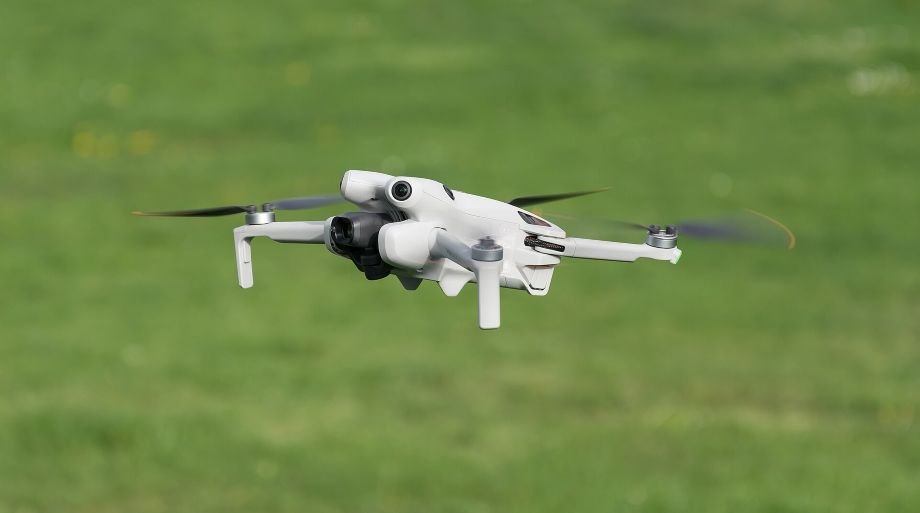
Addverb Technologies and EndureAir Systems have entered into a collaboration aimed at combining their capabilities in robotics, unmanned aviation and autonomous technologies, adding momentum to India’s rapidly developing indigenous defence and deep-tech ecosystem.
The partnership brings together two companies working in complementary areas of autonomous technology. Addverb has built its expertise around industrial robotics, warehouse automation and intelligent machines, while EndureAir specialises in the design and development of unmanned aerial platforms for demanding operational environments.
The collaboration comes as autonomous systems are gaining greater importance across the defence sector. Unmanned platforms can provide military forces with additional capabilities for surveillance, logistics and operations in locations where deploying conventional manned systems or ground transportation can be challenging.
Addverb has expanded beyond traditional warehouse automation into a wider range of robotic technologies. Its portfolio includes autonomous mobile robots, collaborative robotic systems, quadruped platforms and humanoid robots. The company is also developing capabilities around physical AI, an area focused on enabling intelligent machines to perceive, understand and respond to real-world environments.
EndureAir brings a different but complementary technological capability to the partnership. The company has developed indigenous UAV platforms designed for applications such as aerial logistics, surveillance and operations across difficult terrain. Its work has included systems intended for missions where endurance, payload capacity and autonomous operation are important requirements.
Among EndureAir’s prominent platforms is the SABAL-200, a heavy-lift unmanned aerial vehicle developed for transporting substantial payloads. The platform has been designed with applications in remote and challenging locations in mind, where conventional logistics infrastructure may not always be practical.
The SABAL-200 is reported to have a payload capacity of up to 200 kg and a range of up to 200 km, with an endurance of approximately 2.5 hours. Its development highlights the increasing focus among Indian technology companies on building domestically developed UAVs capable of supporting demanding logistics requirements.
The combination of Addverb’s expertise in ground robotics with EndureAir’s aerial systems could open possibilities for more integrated autonomous solutions. Such technologies could eventually support operations where aerial and ground-based unmanned platforms work together to transport equipment, collect information or perform tasks in environments that present risks to personnel.
The development is also significant in the context of India’s efforts to strengthen domestic defence manufacturing. Indigenous development of drones, robotics and autonomous systems can help create local technological capabilities while encouraging collaboration between private companies, research institutions and government agencies.
For the armed forces, advanced unmanned platforms have applications extending beyond conventional surveillance. Heavy-lift UAVs can potentially support the movement of supplies and equipment to remote locations, while autonomous robotic systems can assist with logistics and other tasks in operationally difficult areas.
The collaboration also demonstrates how India’s private technology sector is increasingly moving into sophisticated areas of defence and aerospace technology. Companies working in robotics, artificial intelligence and unmanned aviation are becoming an increasingly important part of the country’s broader technology and defence manufacturing landscape.
By combining expertise in intelligent robotics and aerial autonomy, Addverb Technologies and EndureAir Systems are creating a platform for further exploration of unmanned technologies. Their collaboration reflects the growing role of Indian private-sector innovation in developing autonomous systems for defence, logistics and industrial applications.
As demand for intelligent and remotely operated systems continues to increase, partnerships of this kind could help accelerate the development of India’s indigenous capabilities in robotics, UAVs and physical AI while supporting the country’s wider ambitions in advanced defence technology.
-

-

-

-