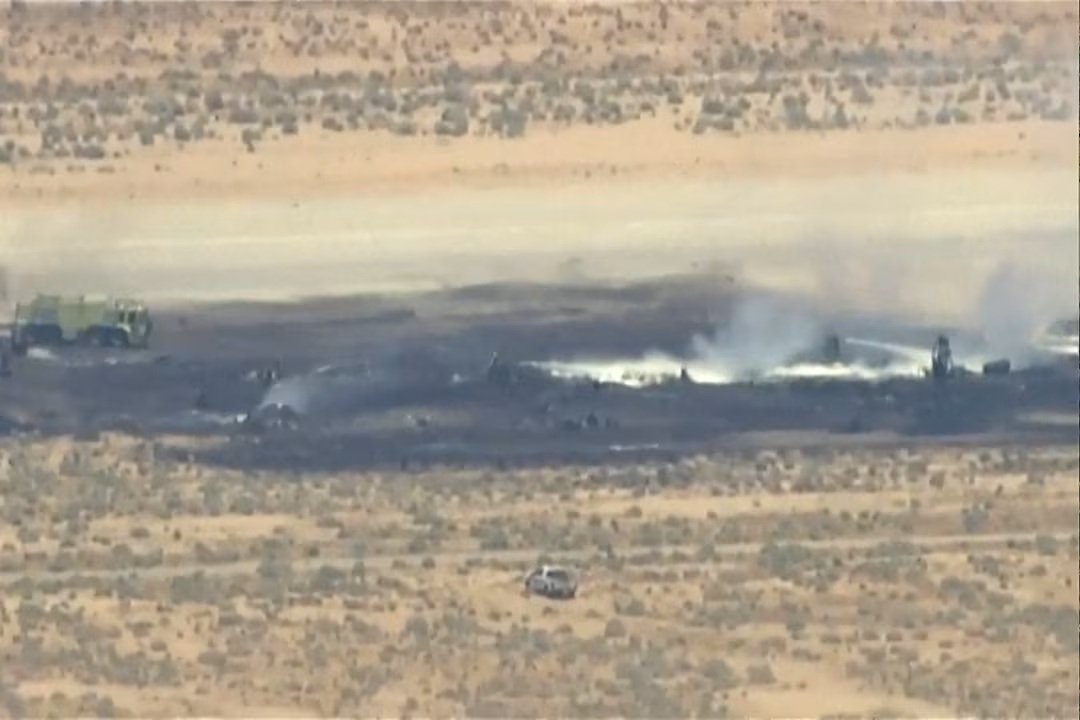
Eight people died after a B-52 Stratofortress bomber crashed at a US Air Force base in Southern California, according to AP News. The incident marks one of the deadliest B-52 accidents in recent years and has renewed focus on the operational demands placed on the US military’s aging strategic bomber fleet.
The B-52 Stratofortress, first introduced by the US Air Force in 1955, remains the backbone of American strategic air power more than six decades later. The long-range, subsonic bomber is capable of carrying both conventional and nuclear ordnance and operates from bases across the continental United States and allied nations worldwide.
The Stratofortress has proven remarkably durable in service. The US Air Force currently operates roughly 75 operational B-52H variants, the most advanced version. These aircraft conduct continuous deterrence patrols, participate in joint exercises with allied air forces, and maintain rapid-response capabilities across multiple theaters.
Crashes involving legacy military aircraft underscore the importance of sustained investment in platform modernization and crew training. The US Air Force has historically maintained rigorous safety protocols for the B-52 fleet, though operational tempo and aging airframe structures continue to present maintenance challenges.
The B-52 accident will likely prompt a comprehensive review of operational procedures and maintenance schedules for the remaining aircraft in the fleet. The US Department of Defense regularly shares lessons learned from such incidents with allied air forces, contributing to improved safety practices across the broader international aviation community.
-

-
-

-